Lisbon
50 cups in Lisbon
May 19, 2026
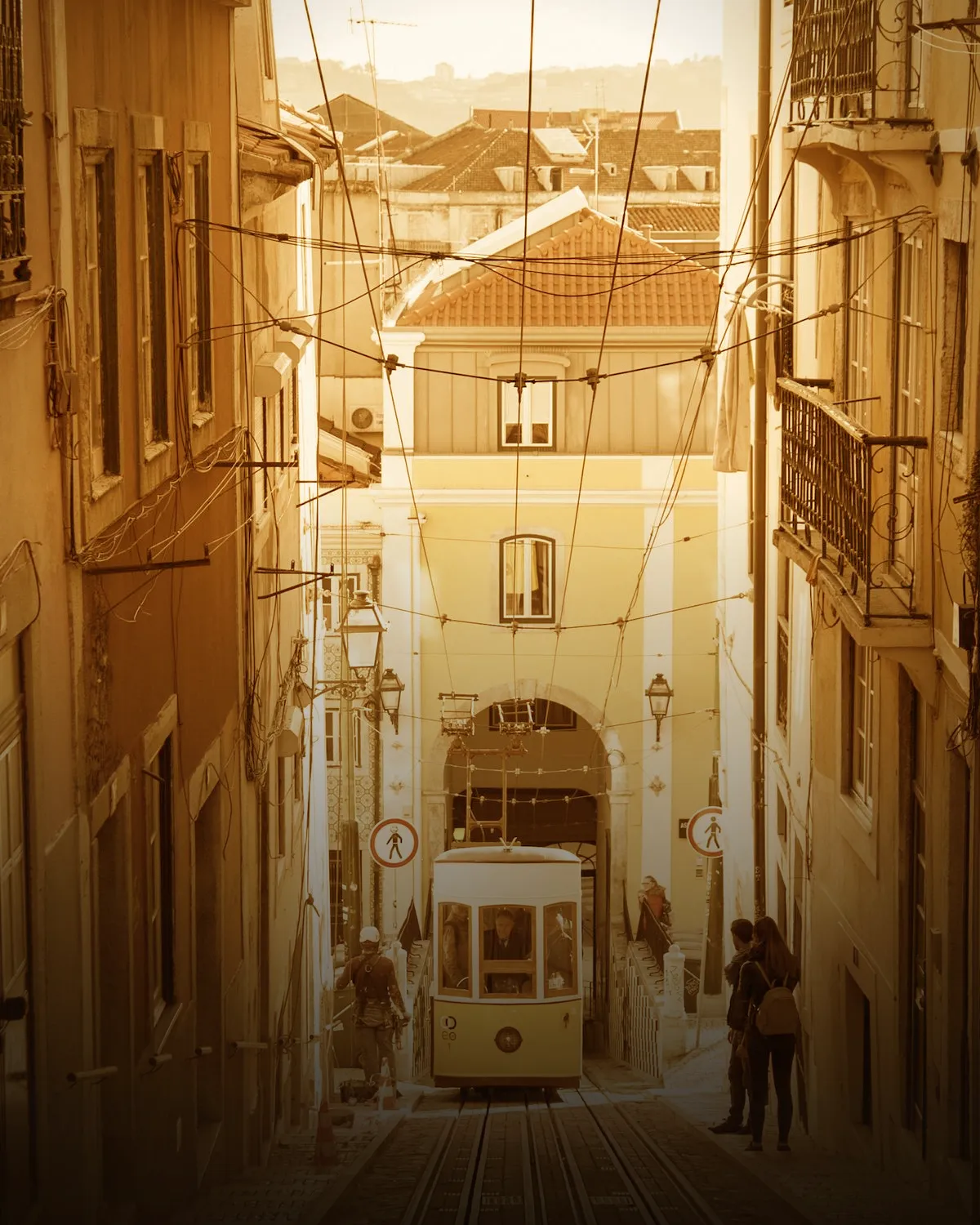
The espresso costs eighty cents. You drink it at the bar of a pastelaria on Rua da Madalena, standing next to a man in a construction vest who is also drinking a bica and not talking to anyone. The coffee is dark roasted and slightly bitter and it is exactly the right thing to drink at 8 in the morning in Lisbon. You do not finish it slowly. Nobody finishes a bica slowly. It is a small cup, a quick ritual, a way of starting.
This is the coffee Lisbon has always had. The coffee the city is now also building is something different, and both can coexist without the newer one canceling the older one out.
How Lisbon built its specialty coffee scene
Lisbon was late to specialty coffee relative to London, Copenhagen, or Berlin. The traditional coffee culture, the bica at the pastelaria bar, the galao in a tall glass, was so deeply embedded that there was little obvious space for something else. Why would you pay three euros for a pour-over when you could pay eighty cents for a bica that has been good for fifty years?
The answer, for a growing number of Lisbon drinkers, is traceability and variety. A bica does not tell you where the beans came from or how they were processed. A pour-over at Fabrica does.
The specialty scene began forming around 2012 to 2016, led by a handful of operators who had spent time in London or Scandinavia and returned with a different idea of what coffee could be. The timing coincided with the larger food and beverage renaissance in Lisbon, driven by the international attention the city began receiving after the financial crisis loosened rents and attracted a new wave of creative investment.
Lisbon's neighborhoods provided the physical space. Bairro Alto and Principe Real have long had the density of small independent shops that allows new concepts to survive their first years. Cais do Sodre, once purely a transport hub and nightlife district, has evolved into a mixed-use area with serious food and drink options. Baixa, the historic downtown, sees the most tourist foot traffic and is where international visitors often first encounter both the traditional and the specialty side of the city's coffee.
The climate helps. Lisbon is warm and sunny for most of the year, and outdoor seating is possible nine or ten months out of twelve. A café with a few chairs on the street feels welcoming in a way that is harder to achieve in northern Europe.
The walk: a half-day itinerary
Begin in Baixa, near the waterfront.
Fabrica Coffee Roasters, Baixa is on Rua das Portas de Santo Antao, a pedestrian street known primarily for its seafood restaurants. Fabrica sits between them with no particular signage beyond the name on the glass. The interior is modest: a roasting machine in the corner, a short bar, stools. The coffee is the reason to be here.
Fabrica was one of the first specialty roasters in Lisbon to publish origin information on their bags and to commit to direct-trade relationships with farms in Ethiopia, El Salvador, and Brazil. Their espresso blend is designed to work well as a milk drink and as a straight shot, which is a harder balance to achieve than it sounds. The filter program runs alongside it with whatever single-origin lot they are currently most interested in.
Order both an espresso and a filter if you have time. The contrast will show you how their sourcing philosophy reads at different brew methods.
Walk west along the waterfront toward Cais do Sodre. The walk takes fifteen minutes and passes the Time Out Market, which you can visit later if you want to eat. Comoba, Cais do Sodre is a few blocks inland from the tram terminus. The shop occupies a ground-floor space in a nineteenth-century building with high ceilings and a tile floor that predates the café by a hundred years.
Comoba has built a reputation for careful filter work and for importing beans from roasters outside Portugal alongside their own roasted offering. On any given week, you might find a guest lot from a Danish or Norwegian roaster alongside a Comoba house roast. This is unusual for Lisbon, where the specialty scene is still relatively young and most shops focus on their own program.
The pastry selection at Comoba is worth attention. They work with a specific bakery whose croissants and tartes de nata are a step above the standard tourist-facing pastry shops in the Cais do Sodre neighborhood.
Order a pour-over and ask what the guest lot is this week. Then walk from Cais do Sodre up the hill toward Bairro Alto. The hill is steep enough that you will be glad you are only carrying a coffee, not luggage. The climb takes about fifteen minutes.
Hello, Kristof, Principe Real sits in the Principe Real neighborhood, which occupies the ridge above Bairro Alto. The area is calm and residential, with a market square on Saturdays and a density of small independent shops that survived the tourism wave mostly intact. Hello, Kristof is named after its owner and operates with an informality that the name suggests.
The shop is small and the menu is short. The espresso-based drinks are made with care and the filter options rotate. The room draws a mix of neighborhood regulars and people who have traveled specifically for the coffee. The neighborhood itself is worth walking before or after your coffee: Principe Real has some of the best tile-fronted buildings in the city and a garden with peacocks that nobody seems to advertise.
Order a cortado and sit outside if the weather allows. The street faces southwest and catches the afternoon light.
Bring home
Fabrica sells retail bags at their Baixa shop and online, with shipping across Europe. Their El Salvador Finca Santa Leticia lots are among their most consistent year-round offerings. The bags are sealed well and will survive two weeks of travel in a suitcase without significant freshness loss.
Comoba occasionally sells guest-roaster bags at the shop. Ask what is currently in stock. These tend to be more interesting than what you can find at a general Lisbon specialty shop and are worth the extra effort.
For equipment, Lisbon is not the best city for buying specialty brewing tools. The selection is improving but remains limited compared to what you would find in Tokyo or Copenhagen. If you need a dripper or a kettle, try Embaixada, a concept store in Principe Real that stocks a small range of kitchen tools. The Time Out Market in Cais do Sodre has an independent coffee equipment vendor in the back section.
The bica at the pastelaria is not something to replace. It is something to drink alongside everything else. Lisbon is generous enough to hold both.
Track your trip in Remembrew.
Save every café you visit, log every cup, get an AI summary at the end of the trip.